Leseo
The reading platform that got German primary schools to go digital.
Caso de estudio en inglés
Cornelsen had 70 years of pedagogic knowledge, all on paper. My job: turn it into a reading app for kids who can’t read yet.
Primary-school constraints
German primary schools were still heavily paper-first, and Leseo had to work for very different people at once. Children needed to navigate before they could reliably read an interface, while teachers and administrators needed visibility, control and confidence in what the product was doing.
The job was to turn Cornelsen’s pedagogical knowledge into a product that worked in an actual classroom for children, teachers and administrators.
- Design for users who can’t read yet.
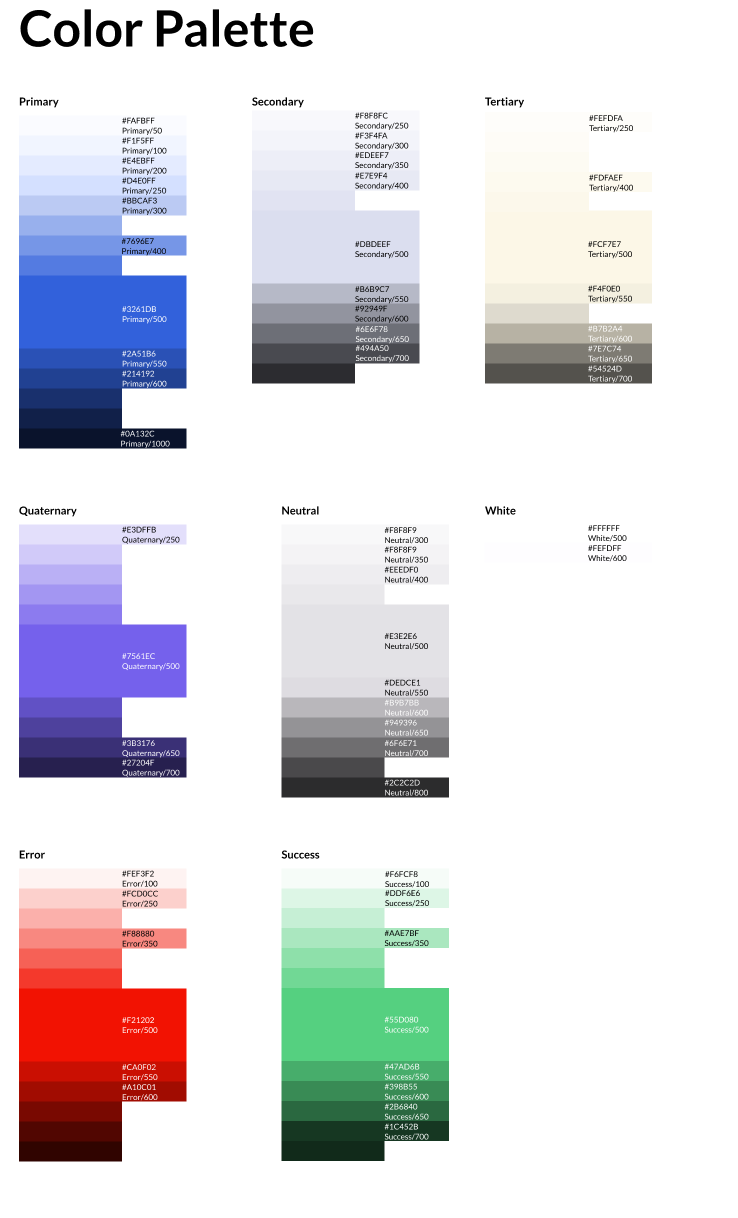
- Build a design system that honours a 70-year-old brand.
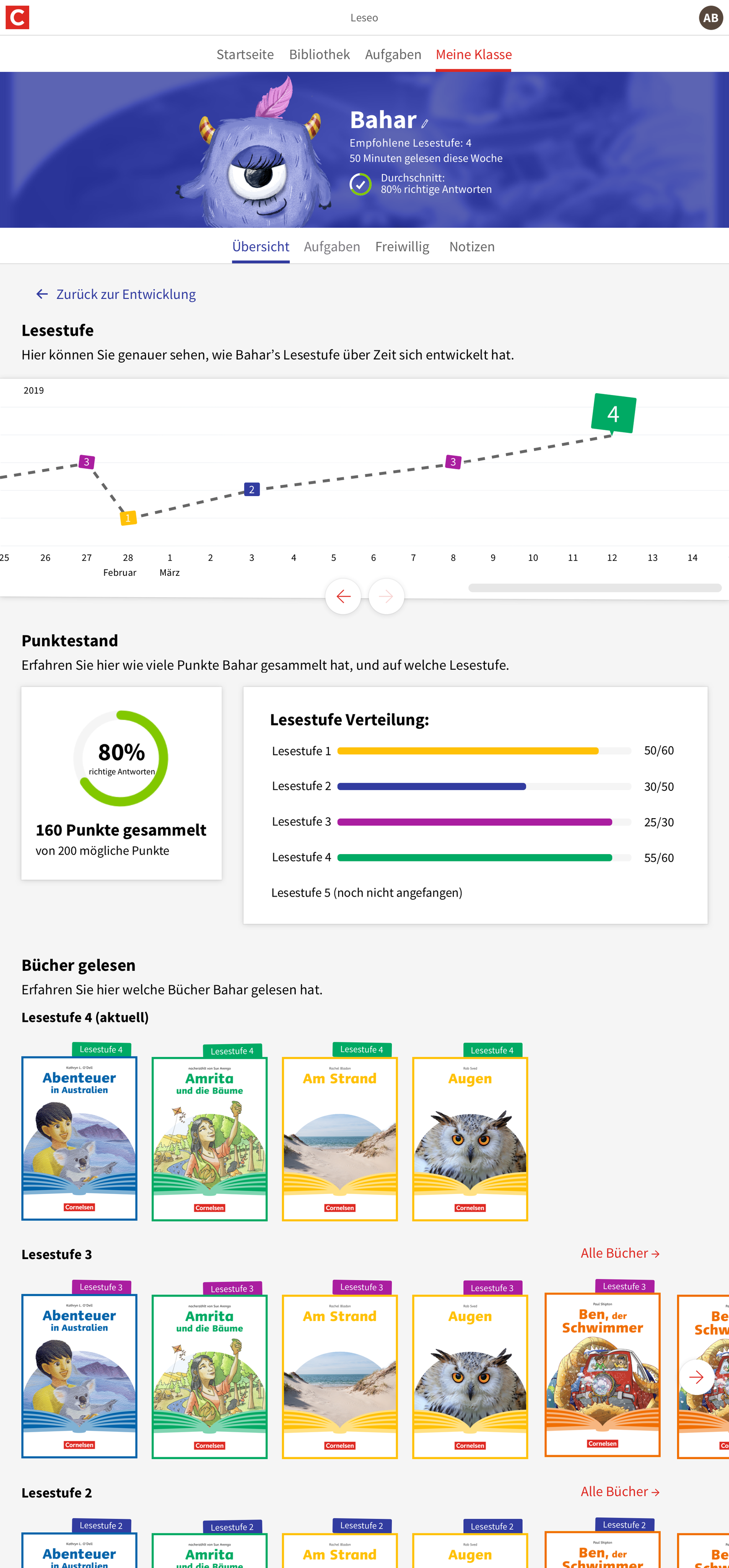
- Let teachers see each student’s learning journey.
- Motivate children without gamification for its own sake.
- Protect the sensitive data of minors.
- Bring an agile product loop into an established publishing organisation.
Product-design ownership
I was the only product designer on Leseo, so the work stretched from concept and architecture through the interfaces, research, design system and visual direction. I worked with product, UX, pedagogical experts, teachers and the wider Cornelsen team, but the product-design surface was mine.
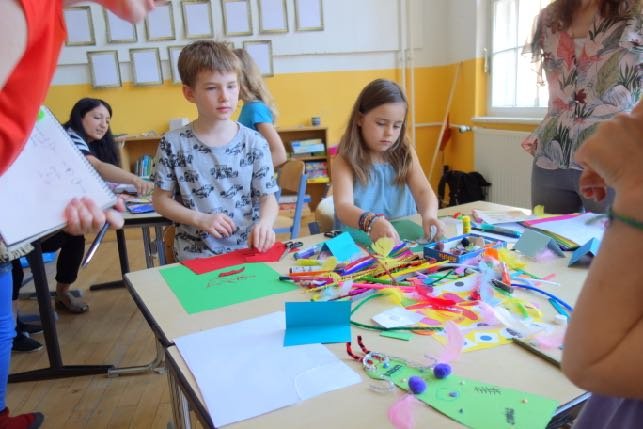
I also established a weekly User Feedback Day and ran co-creation work with primary-school children. The design system built for Leseo later extended into other Cornelsen primary-school products.
- Concept and architectureAll three interfaces, from first sketch to handoff.
- Design systemBuilt for Leseo, extended into other Cornelsen primary school products.
- User Feedback DayA weekly research ritual I established at Cornelsen.
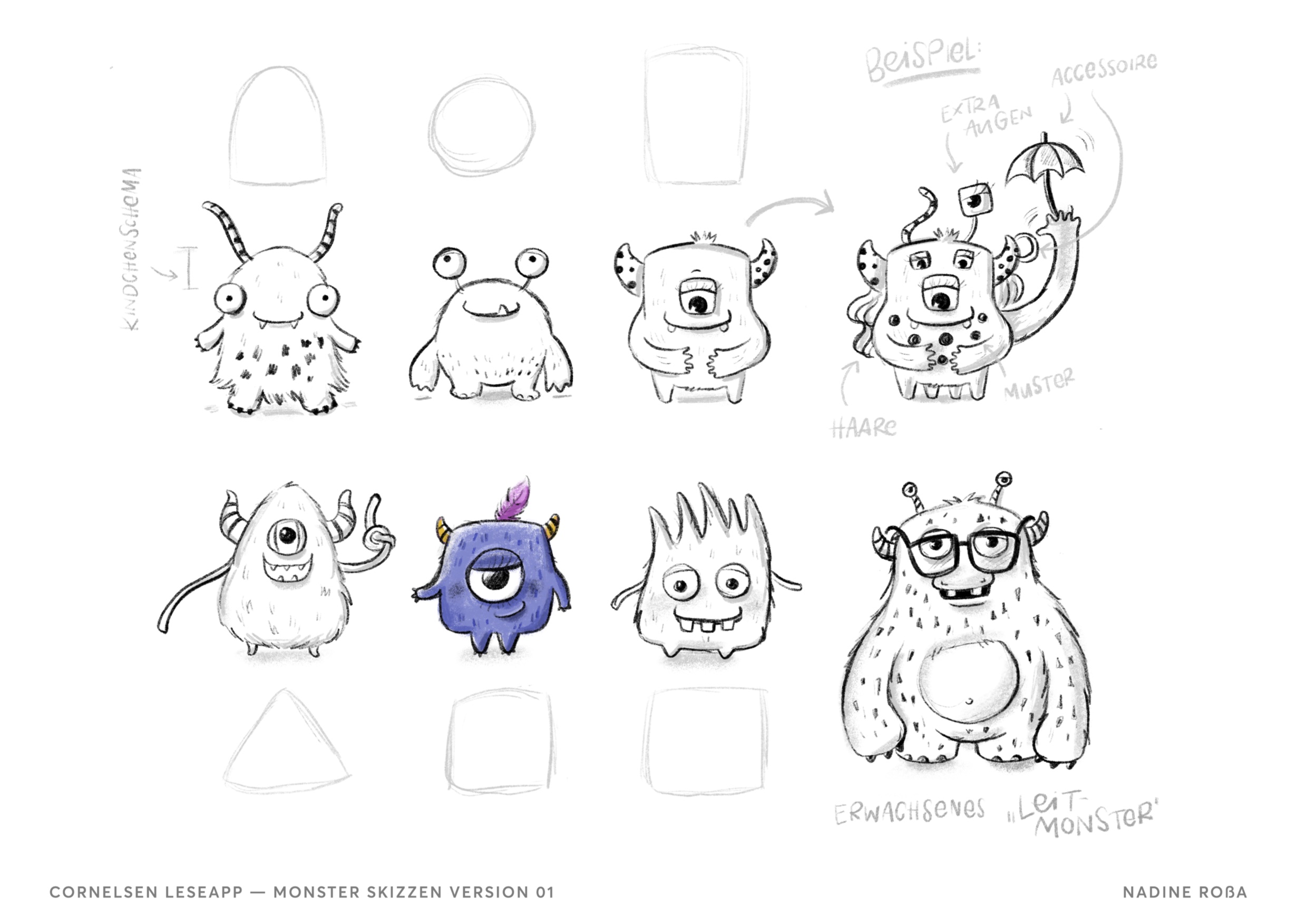
- Co-creation with kidsThe monster workshop with primary school students.
- The decision I’m proudest ofProtecting simplicity for first-time readers as the product grew.
Weekly classroom research
Research stayed continuous as the product matured. I moved between classroom observation, tests, surveys, diary studies, focus groups and product data depending on what we needed to understand. My intuition matched user feedback about 95% of the time — while I was still new to German school culture.
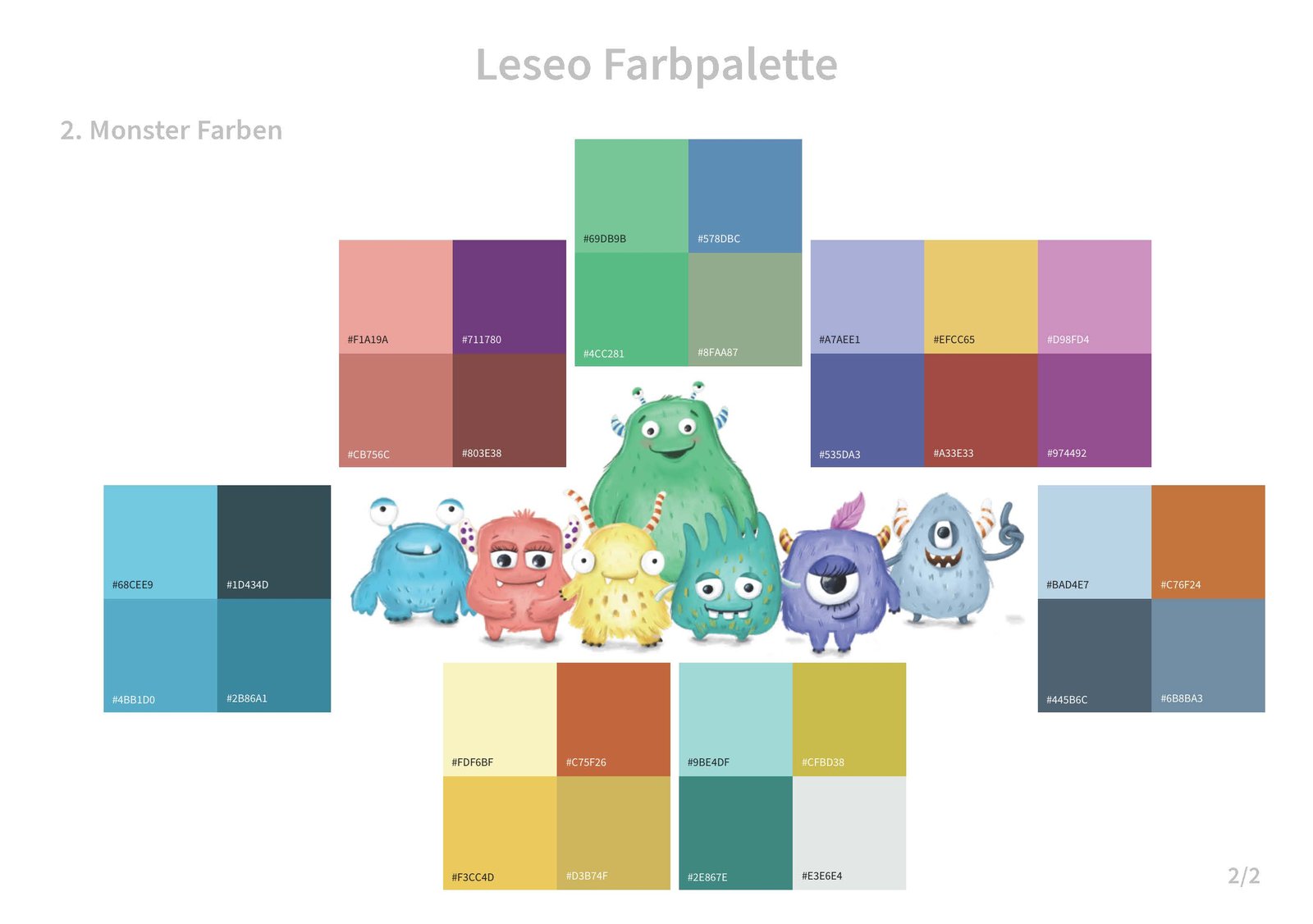
The best sessions were often the least polished. In one co-creation workshop, children helped shape the monsters that would guide them through the product and told us what kind of help actually felt encouraging.
Paper-first iteration
A lot of the product started on paper because paper is cheap to argue with. I sketched quickly, put ideas in front of people early and only added fidelity once the structure had earned it.
The design system grew early alongside the product, so speed did not mean every new screen became another exception. From concept to launch-ready took under six months.
Four product surfaces
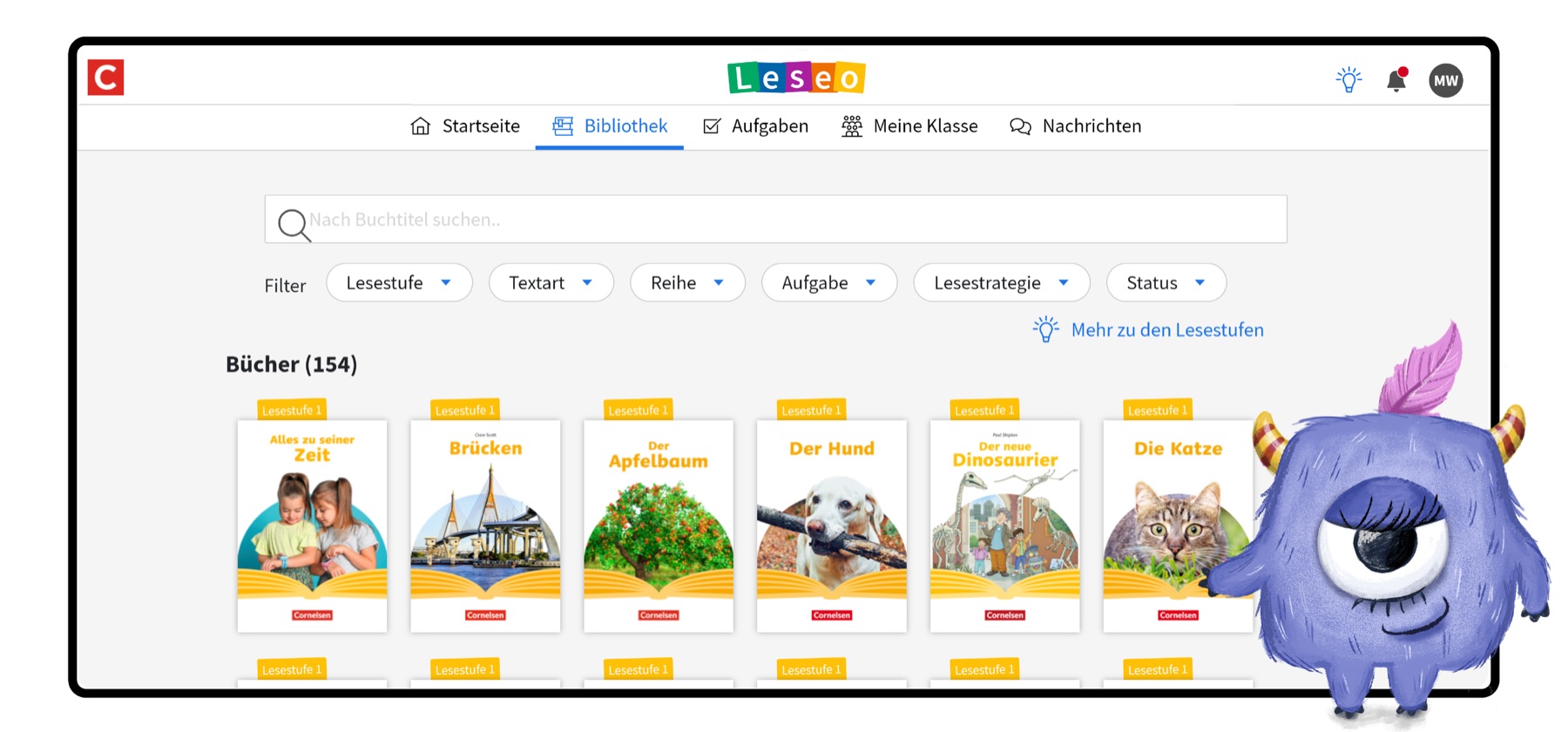
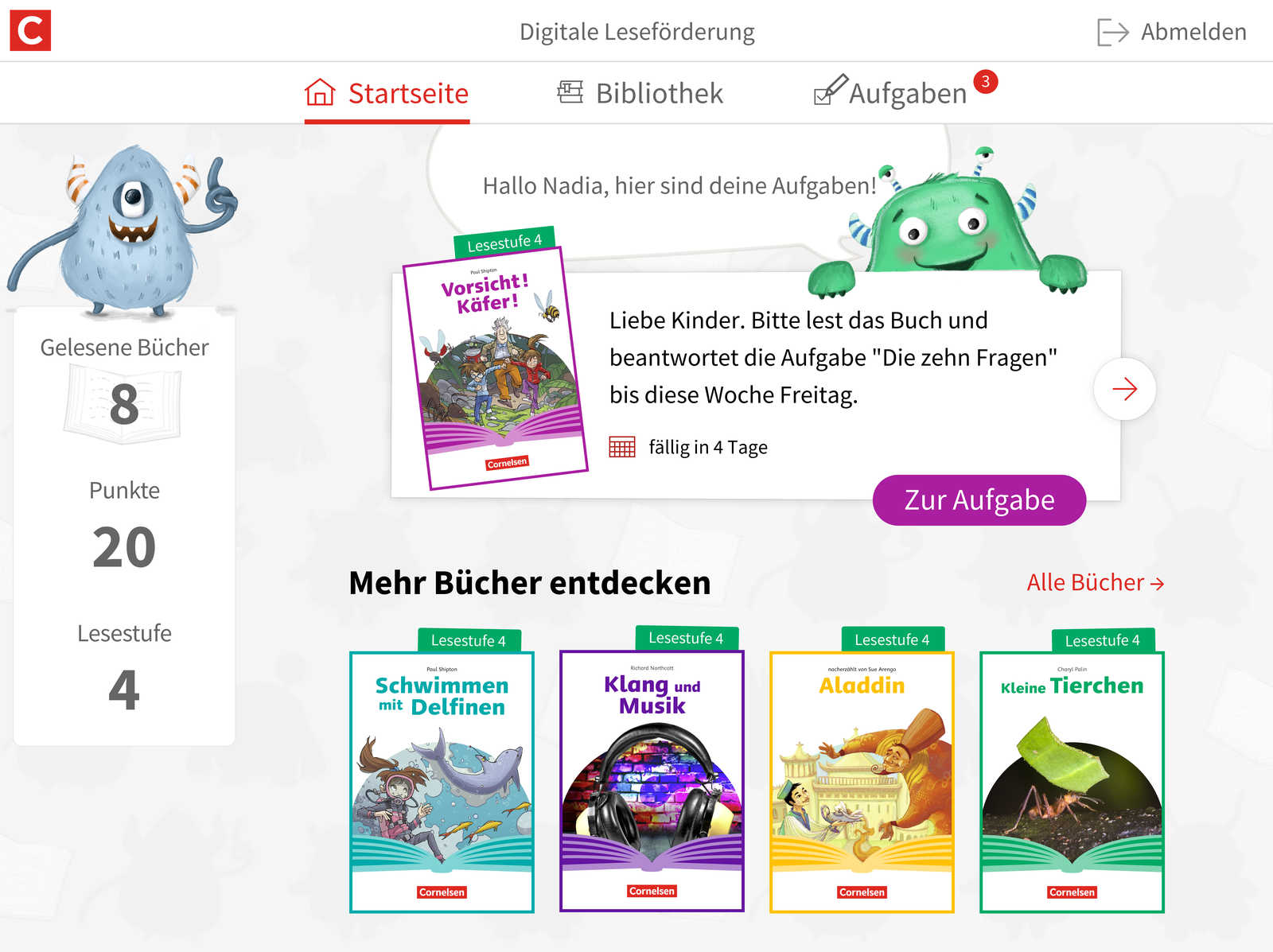
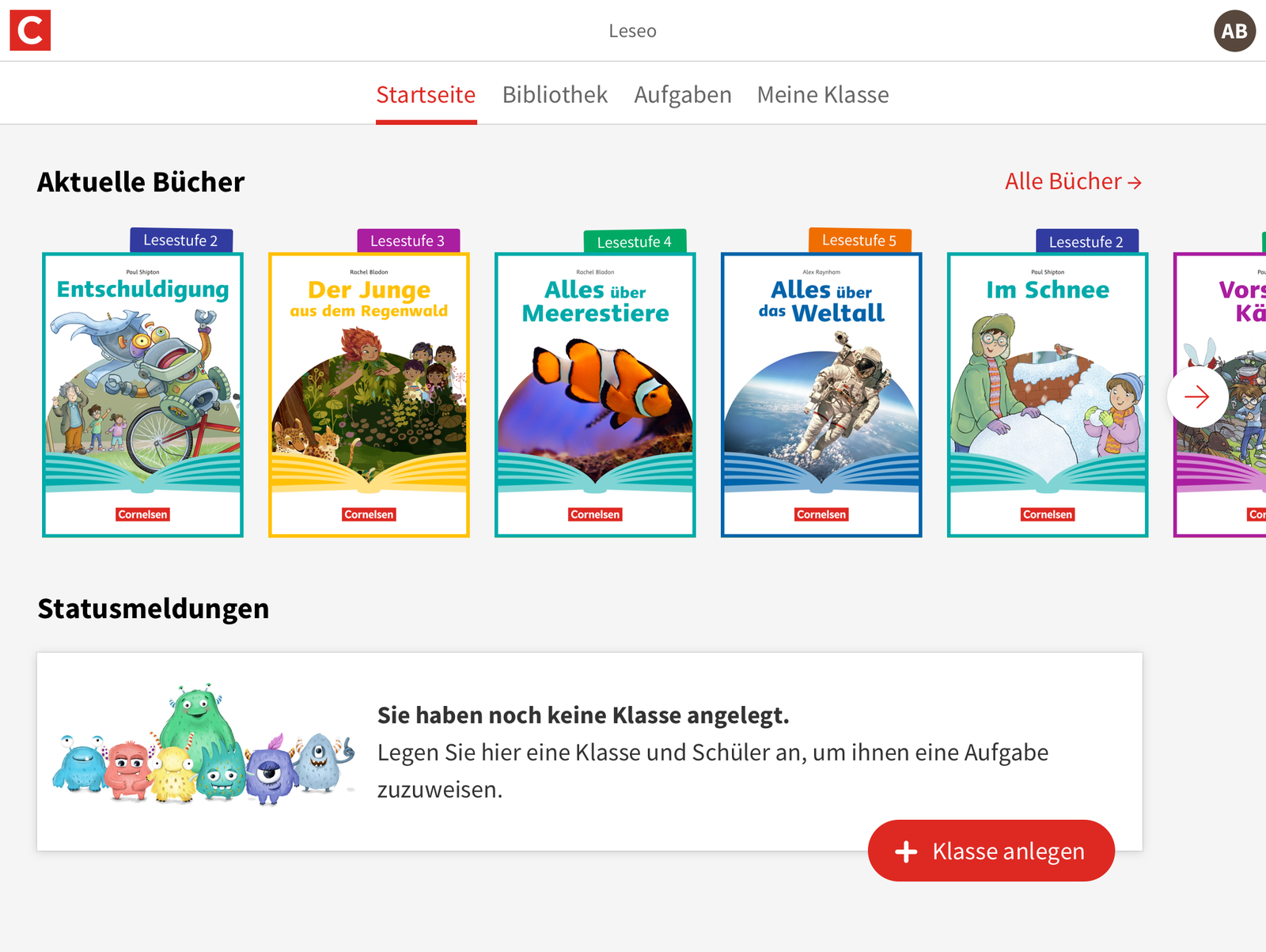
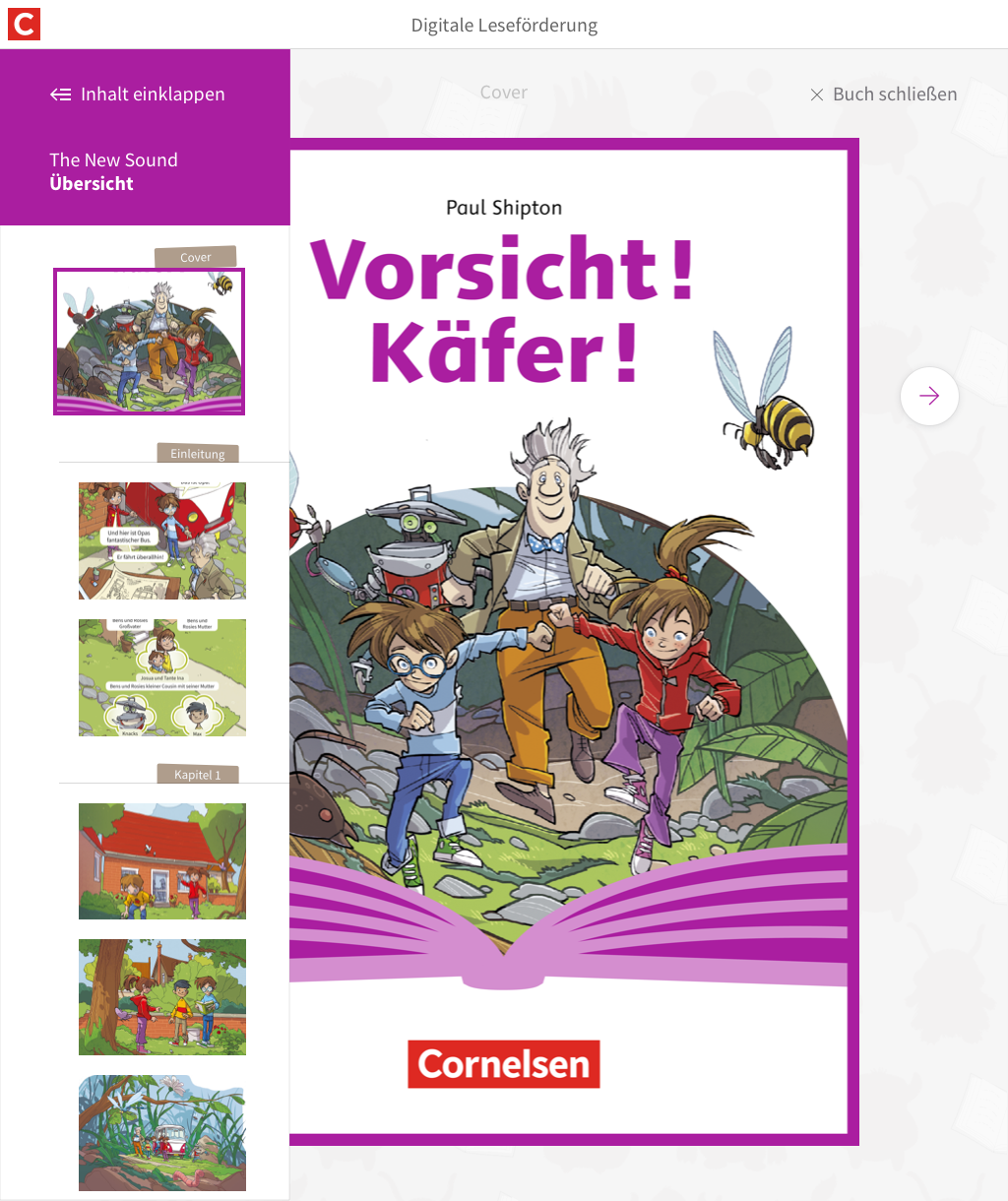
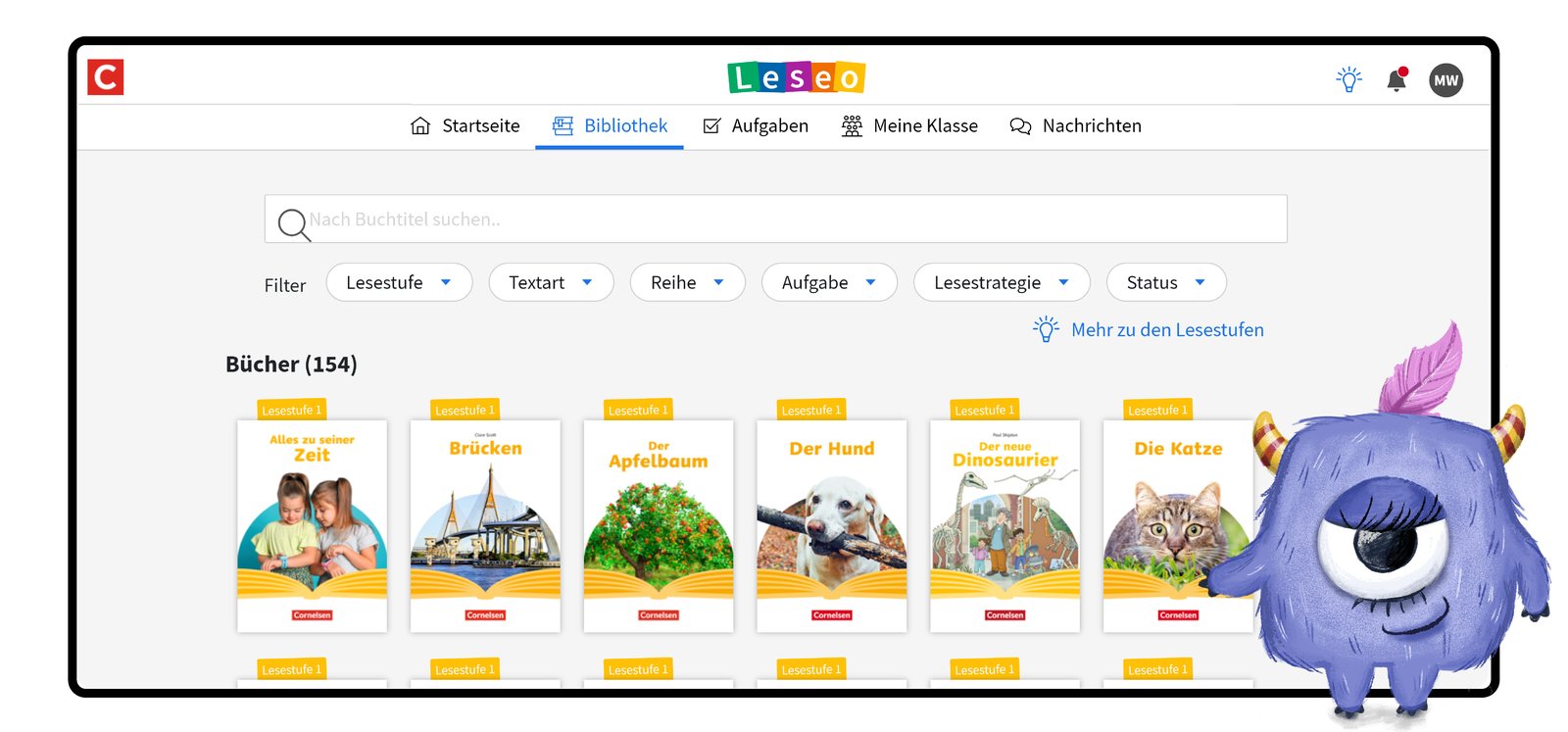
Four product surfaces had to feel like one system. Children got a library, tasks and reading experiences they could navigate with limited reading skills; teachers got classroom management and progress visibility; administrators got oversight; the e-book carried the pedagogical reading layer.
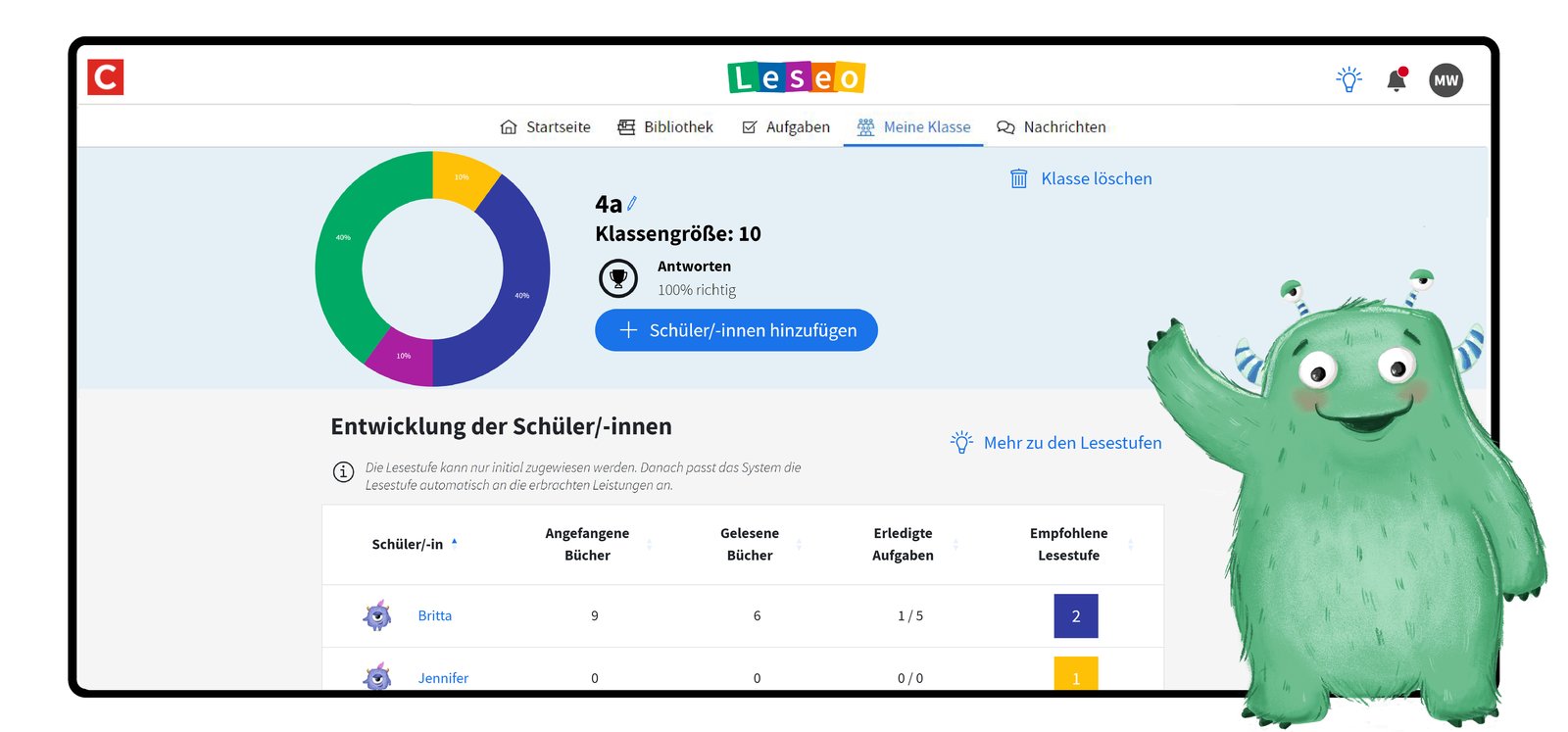
One design system held those different jobs together while giving each audience the interface it needed. The shipped teacher view is the clearest proof: complex classroom information, made readable enough to act on.
Weekly testing
Weekly testing made change routine. If something could be challenged on paper before engineering touched it, it was.
The student-progress view went through several paper iterations before the digital version. That loop mattered more than protecting any particular solution: test it, change it, keep what survives. Leseo went on to reach 800+ schools in Germany, win two education awards and make the BELMA shortlist between 2023 and 2024.
800+schools across Germany
<6 monthsfrom concept to launch-ready
4interfaces held by one design system
3award recognitions, 2023–2024
- Best European Learning Materials Award — shortlist, 2023
- BIG BANG Innovation Award, 2023
- Comenius EduMedia Award, 2024
Shereen is a strong UX Designer with a good sense of strategy. She holds a key role in holding our UX and her product team together. Her passion in this product is impressive, and her confidence in her work is undeniable. Leseo is one of our most successful digital products!
- Working inside a large organisation sharpened my judgement about what to protect, what to simplify and where a trade-off was genuinely worth it.
- Designing for kids is the most demanding work I’ve done. Kids won’t pretend a design works when it doesn’t.
- One brand, many products, one design system — that taught me more than any single screen.
- Show your work. Document. Skipping it doesn’t save time — it wastes yours.